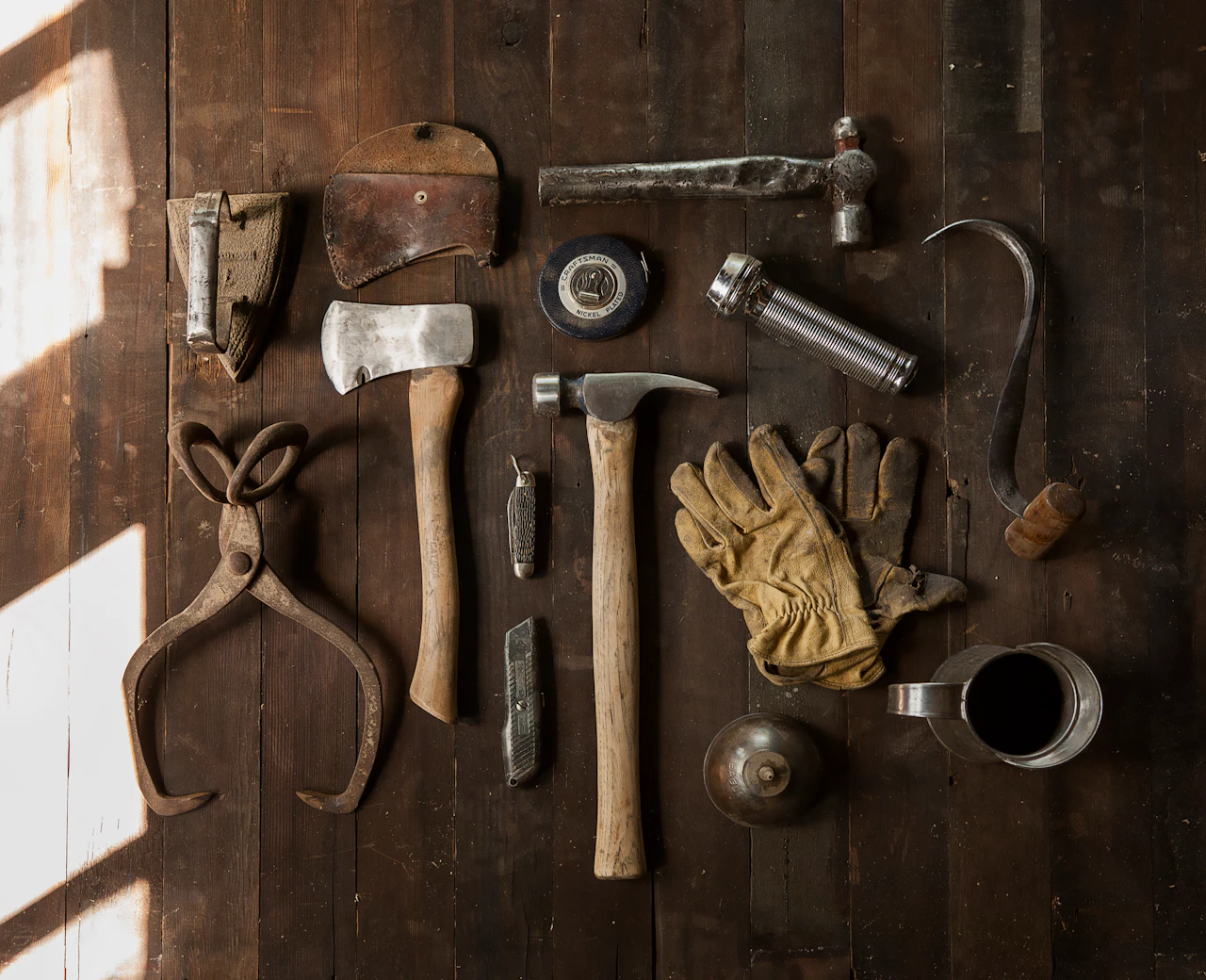
Building a functional, safe, and inspiring workshop doesn’t require infinite space or a trust fund—just the right essentials and a plan. This guide breaks down the must-have tools and supplies for hobbyists across woodworking, electronics, sewing, model-making, and mixed-craft spaces. Whether you’re equipping a small apartment bench or converting a garage to a weekend maker space, this guide gives practical tool lists, buying tips, maintenance strategies, and budget pathways to get you making faster. For insights on saving money on gear, check our deal-hunting strategies for home essentials to spot seasonal bargains and bundle offers.
1. How to Plan Your Workshop (Small, Medium, or Full Garage)
1.1 Define projects and space first
Start by listing the projects you want to do in the next 12 months. Small-scale electronics and model-building require very different staples than furniture making. Write down common materials, sizes, and frequency of use. This scope will determine bench size, ventilation needs, and whether you need stationary power tools or only handhelds. Think modular: a fold-down bench or wheeled carts expand capability without permanent renovation.
1.2 Zoning for safety and efficiency
Divide your area into clear zones: cutting/forestry, finishing/painting, electronics/soldering, and storage. This reduces cross-contamination (dust into electronics) and speeds workflow. If you're concerned about air and temperature control, read savings strategies for maintaining a comfortable space in our guide on saving on workshop air comfort. Good zoning also makes it easier to comply with safety rules and set up dedicated extraction points for dust collectors and fume extractors.
1.3 Plan power, lighting, and connectivity
Workshop planning isn’t only about tools; power distribution and lighting are foundational. Install enough grounded outlets, consider a dedicated circuit for high-draw tools, and use layered lighting—overhead general light plus task lamps at the bench. If your hobby blends digital creation or machine control, a fast, secure network helps; see how AI and networking trends are shaping maker workflows for more context.
2. Core Hand Tools Every Hobbyist Needs
2.1 Cutting and shaping: knives, chisels, and snips
A reliable utility knife, a set of chisels (for woodworking and soft materials), and metal snips for sheet materials are indispensable. Invest in a quality bench knife and replace blades frequently. Chisels should be honed and stored with protective covers—dull chisels are more dangerous and do poor work. For fabric and leather, curved snips and pinking shears give professional results quickly.
2.2 Clamping and holding: the unsung heroes
Clamps hold your work steady and expand what you can accomplish. A mix of bar clamps (24" and 12"), C-clamps, spring clamps, and a couple of toggle clamps will cover most tasks. Consider bench-top vises—small machinist or woodworking vises mount to small benches and save frustration during precision tasks.
2.3 Measuring and marking: precision matters
Tools for layout—steel ruler, tape measure, combination square, calipers, and a marking knife or pencil—are the backbone of repeatable work. Digital calipers are accurate and affordable in 2026; I recommend a 0–150mm caliper with 0.01mm resolution for electronics and model work. If you make repeated parts, invest in a marking or scriber set and a quality try-square to check 90-degree accuracy.
3. Essential Power Tools for Beginners
3.1 Cordless drill/driver and impact driver
A good 18V or 20V cordless drill/driver and a separate impact driver cover most fastening and drilling chores. Look for brushless motors for efficiency and longer tool life. Buy batteries within the same brand ecosystem if you plan to expand—battery compatibility saves money and simplifies charging.
3.2 Jigsaw, random-orbit sander, and rotary tools
For versatility, a jigsaw tackles curves and cutouts, an orbital sander smooths surfaces quickly, and a rotary tool (like a Dremel-style) handles cutting, sanding, engraving, and polishing in tight spaces. These are especially useful for model-makers, prop builders, and small wood projects.
3.3 Stationary tools to upgrade to (when ready)
As you grow, plan for a good table saw or track saw for accurate rip cuts and a drill press for repeatable holes. If you work with small metal parts or need precision routing, mini-lathes and routers are logical next steps. When buying larger items, review supply-chain and sourcing strategies like those in our sourcing strategies in manufacturing to understand vendor selection and lead times.
4. Soldering, Electronics & Digital Fabrication
4.1 The electronics starter kit
For makers who want to solder or prototype, a temperature-controlled soldering iron (30–60W), solder (60/40 or lead-free 0.6–1.0mm), desoldering braid, flux, a helping-hand tool, and a digital multimeter are indispensable. An inexpensive but quality solder fume extractor improves safety—avoid breathing fumes while you work.
4.2 Microcontrollers, 3D printing, and laser cutters
Microcontrollers like Arduino or Raspberry Pi are beginner-friendly and scale well into advanced projects. For physical parts, a consumer-grade 3D printer (FFF) is affordable in 2026 and can print jigs, enclosures, and prototypes. Laser cutters and CNC routers offer precision but require stronger safety setups. If you lean into digital tools, check recent developments in device compatibility and software in the wider tech space, including discussions on AI bot restrictions for developers that can affect toolchain integrations.
4.3 Software and security basics
Design software choices range from free (Inkscape, FreeCAD) to paid (Fusion 360). Protect your design files and accounts with strong security practices; many hobbyists underestimate the need for secure VPNs when using public networks at maker spaces—see our VPN buying guide for 2026 and navigating VPN subscriptions for practical steps on choosing privacy tools.
5. Finishing, Painting, and Adhesives
5.1 Paints, primers, and brushes
Match the paint system to the substrate: acrylics for models, enamel or lacquer for durable finishes on wood, and specialized fabric paints for textiles. Invest in a few good synthetic brushes and foam brushes. A spray booth or well-ventilated area (outside or with extraction) is essential when using aerosol finishes.
5.2 Adhesives by material
Cyanoacrylate (super glue) is great for small parts, PVA (wood glue) for joinery, epoxy for structural bonds, and hot-melt glue for rapid temporary fixes. Store adhesives per manufacturer directions; epoxies and cyanoacrylates degrade with moisture and time.
5.3 Sanding progression and abrasives
Sanding to a smooth finish is a key unseen skill. Start coarse (80–120 grit) for shaping, step through 180–320 for smoothing, and finish with 400–2000 grit for polishing. Micro-mesh and polishing compounds deliver a show-quality gloss on resin and painted surfaces.
6. Safety and Personal Protective Equipment (PPE)
6.1 Respiratory protection and ventilation
Respirators and masks vary by use: N95s for dust, half-face respirators with appropriate cartridges for solvents, and full-face for high-risk chemical work. Pair PPE with source extraction or a small dust collector. For advice on climate and air comfort that can affect ventilation choices and energy costs, consult guides like saving on workshop air comfort.
6.2 Eye, hearing, and hand protection
Safety glasses with side shields are non-negotiable; use goggles for liquids. Hearing protection—foam plugs or earmuffs—extends your career as a maker. Cut-resistant gloves protect during rough shaping, but remove them when operating rotating tools to avoid entanglement.
6.3 Electrical and fire safety
Use GFCI outlets near damp areas, keep a multipurpose fire extinguisher accessible, and never leave running tools unattended. Label shutoffs for air compressors and large dust collectors. Basic first-aid supplies and a burn kit should be a prominent part of your bench drawer.
7. Storage, Organization, and Consumables
7.1 Drawer systems and small parts bins
Organize screws, nuts, and small parts using transparent bins and labeled drawers. Modular tackle-box style organizers are inexpensive and portable. A pegboard over the bench for frequently used tools increases efficiency and keeps the bench clear for projects.
7.2 Material storage and climate control
Keep wood in a dry, flat area with spacers to avoid warping; plastics and fabrics fare better in climate-controlled storage. If you take projects on the road or to shows, consult the camping cooler buying guide for ideas on rugged, thermally-stable storage options that double as transport containers for temperature-sensitive materials.
7.3 Consumables you’ll constantly replace
Stock extra blades, sandpaper, drill bits, solder, and glue sticks. Track usage with a simple spreadsheet or app so you reorder before you run out. Buying in small bulk packs saves money, and you can pair this with deal tracking—see weekly sports and gear deals and seasonal alerts to spot cross-category discounts.
8. Where to Buy Tools and How to Save (New & Used)
8.1 New tools: warranties, ecosystems, and value
Buying new gives warranties and predictable performance. Prioritize brands with strong battery ecosystems if you pick cordless tools—battery platforms are often the best long-term value. Read user reviews and warranty terms; some brands offer extended service for a modest cost that pays off for heavy use.
8.2 Finding used tools and negotiation tips
Used tools are a great way to climb tool ladders affordably. Learn pricing from local ads, flea markets, and online marketplaces. Guides like how to boost garage sale revenue and expanding garage sale reach online provide seller-side tactics that inform your buying strategy—knowing how sellers set prices gives negotiation leverage.
8.3 Specialty and collectible gear
For collectors or those hunting limited-edition tools and finishes, the shopping guide for limited-edition collectibles explains rarity, condition grading, and resale markets. If you plan to build a maker brand or sell goods, resources on turning hobby projects into businesses can be helpful; see our piece on turning viral hobby projects into brands.
9. Budget Bundles and Comparison Table
Below is a compact comparison of recommended starter bundles across five popular hobby tracks. Use it to choose the best fit for your space and projects.
| Bundle | Core Tools Included | Best For | Estimated Cost (2026) | Upgrade Path |
|---|---|---|---|---|
| Basic Home Crafts | Utility knife, glue gun, clamp set, metric/imperial ruler | Paper crafts, light woodwork, home decor | $75–150 | Add rotary tool, orbital sander |
| Model & Miniature | Precision hobby knife set, micro-files, paints, airbrush starter | Scale models, miniatures, tabletop terrain | $120–300 | Upgrade to temperature-controlled soldering iron |
| Electronics Starter | Soldering kit, multimeter, protoboards, basic components | Arduino, Raspberry Pi, sensor projects | $100–250 | 3D printer, oscilloscope |
| Woodworking Light | Cordless drill, circular saw or track saw, clamps, chisels | Small furniture, shelves, trim work | $300–800 | Table saw, jointer, router table |
| Sewing & Textiles | Mechanical sewing machine, rotary cutter, cutting mat, iron | Garments, home textiles, cosplay | $150–600 | Serger, industrial machine |
10. Community, Learning, and Turning Hobbies into Side Hustles
10.1 Learn from projects and sharing
Join local maker spaces, online forums, and weekend classes to accelerate skill gains. Collaborative critique improves craft faster than solo practice alone. Learn to structure project posts and showcase process photos—crafting engaging experiences offers good ideas on presenting creative work to audiences.
10.2 Selling, shows, and protective branding
If you plan to sell, learn basics of product photography, pricing, and branding. Consider limited runs and serialized items to build collector interest; the market for limited collectibles clarifies how scarcity and storytelling add value. For inspiration on scaling an idea, read about creators who turned viral moments into business opportunities in turning viral hobby projects into brands.
10.3 Events and logistics
Table displays at craft fairs and maker markets need portable kit packaging and point-of-sale systems. Plan inventory, pricing tiers, and a simple returns policy. For practical logistics on running a sale beyond the driveway, check seller tips on boosting garage sale outcomes and reaching buyers online in how to boost garage sale revenue and expanding garage sale reach online.
Pro Tip: Spend 20% of your starter budget on lighting, storage, and PPE—those are the multipliers that make every tool safer and more effective.
11. Maintenance, Tool Care, and Sustainability
11.1 Routine maintenance schedule
Set monthly checks for blades, belts, and batteries. Clean tools after each use, keep blades oiled, and rotate batteries to avoid memory wear. For large power tools, change belts and brushes per manufacturer intervals to prevent expensive motor repairs down the road.
11.2 Sharpening and calibration
Sharpen chisels, plane irons, and blades regularly. Calibrate measuring tools and check squares with known reference blocks. Accurate measurement reduces waste, saving money and materials over many projects.
11.3 Sustainable sourcing and reuse
Reuse scraps for jigs and spacers, and find local recycling for electronics waste and solvent-thinned finishes. For many hobbyists, sourcing secondhand materials and gear is both economical and sustainable—see strategies for sourcing and vendor evaluation in sourcing strategies in manufacturing.
12. Next Steps and Resources
12.1 Courses, books, and video series
Structured learning accelerates skill transfer. Combine short video tutorials with project-based books. Local community colleges and maker spaces offer hands-on classes where an instructor can correct technique live—an investment that pays off in fewer ruined projects and safer practices.
12.2 Protecting your digital work and IP
If you create original designs, keep secure backups and understand basic IP considerations. Use strong account protection—see our VPN buying guide for 2026 to reduce risk when accessing remote design files or marketplaces from public Wi-Fi.
12.3 Join communities and stay current
Follow hobby-specific blogs and community channels; trends move fast, especially where tech meets craft. For makers blending performance and audio into projects, consider updates in device hardware and workflow in pieces like best laptops for music performance and home-setup innovations such as those featured in home theater innovations.
FAQ: Common questions from beginner hobbyists
Q1: What is the single most useful tool for beginners?
A good cordless drill/driver is the most versatile starter tool. It handles fastening, drilling, mixing (with paddle attachments), and can be used with sanding and routing attachments later.
Q2: How much should I budget to start?
Expect $150–$500 for a functional starter bench depending on discipline. The table above gives bundle ranges; prioritize PPE and a few multitasking tools first.
Q3: Should I buy new or used?
Buy new for critical safety items and expensive electronics where warranty matters; buy used for hand tools and larger stationary tools after inspection. Use seller guides to negotiate and verify condition.
Q4: How do I learn safely when I’m alone?
Start with small, low-risk projects, follow step-by-step tutorials, and use PPE. Record projects and ask for feedback in online communities; many makers are happy to critique technique and suggest improvements.
Q5: How do I source rare or limited supplies?
Track specialist forums, sign up for alerts from niche suppliers, and follow curated shopping guides for collectibles and limited runs to understand provenance and pricing trends.
Related Reading
- The Ultimate Welsh Road Trip - An unexpected planner's view on packing and transport for mobile makers.
- Essential Broths for Noodle Enthusiasts - Great reference if you craft edible gifts or food-based projects for fairs.
- The Hottest Fashion Deals - Useful when sourcing textiles and apparel for cosplay or sewn goods.
- Unseen Costs of Domain Ownership - Important if you plan to create a website to sell your hobby goods.
- Game Day Nutrition - A quick primer on staying energized during long build sessions and craft fairs.


